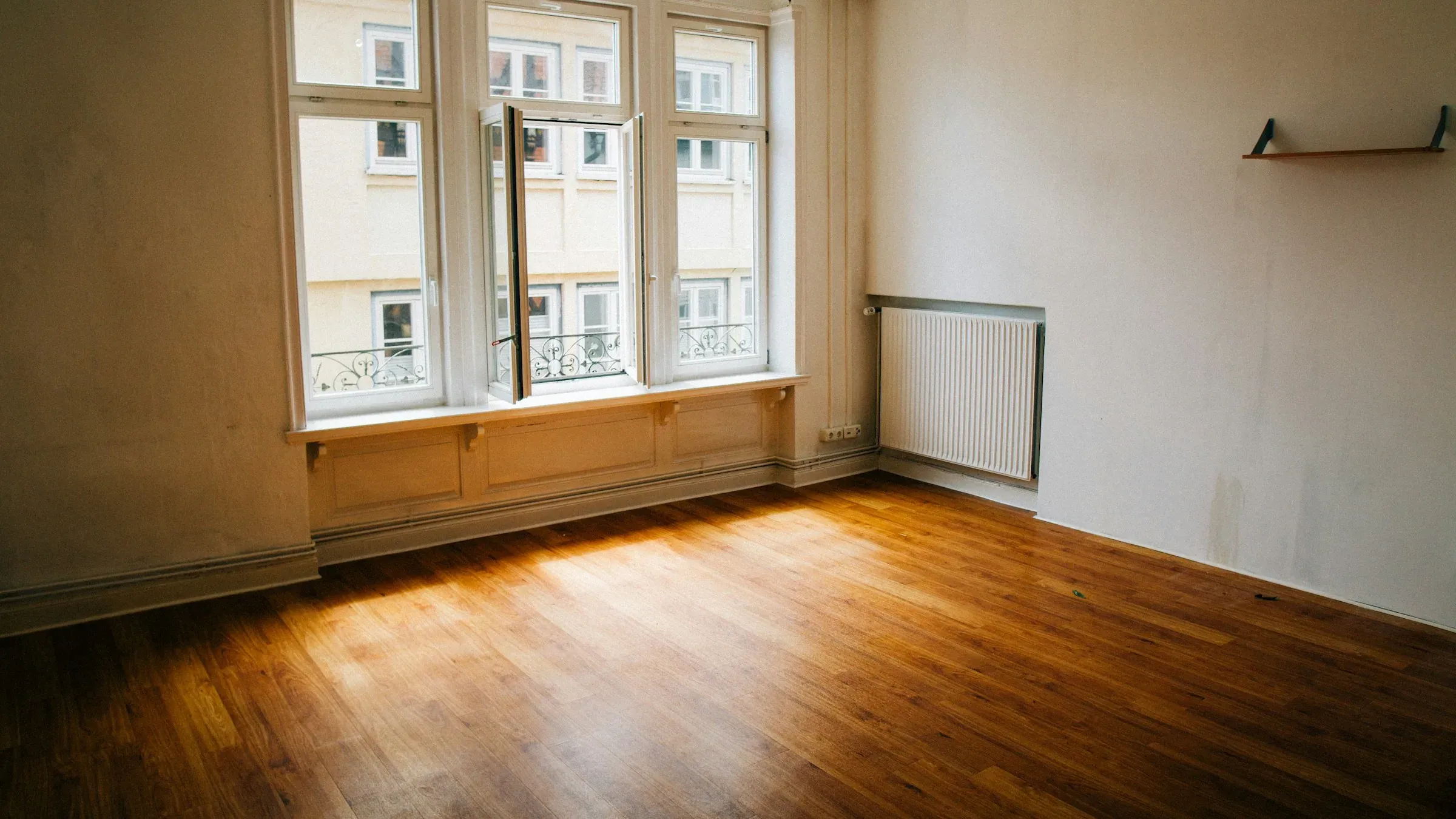
For a villa handover clearance in Dubai, work backwards from the inspection time. Confirm in writing what belongs to the property, what you may remove and which areas must be empty. Inventory every room, outdoor space and storage area, then schedule removal before final cleaning and repairs. The goal is a property ready for the agreed handover standard, not simply a truck visit on the final morning.
This is practical clearance guidance, not legal advice or an interpretation of your tenancy. Use your agreement, inventory and written instructions from the landlord or property manager to decide what must remain.
Define the handover condition first
Ask for the checkout or handover instructions and compare them with the original inventory. Identify landlord furniture, appliances, fixtures, keys, access devices and outdoor items. Mark anything disputed and resolve ownership before it joins the removal pile.
Do not use “empty villa” as an assumed standard. A furnished property may need specified items to remain, while an unfurnished property can still include fixed equipment, curtains, garden features or maintenance items. Translate the written requirement into a room-by-room list.
Separate removal from repairs and cleaning
Clearance removes agreed unwanted contents. It does not automatically include disconnecting appliances, repairing walls, filling holes, treating pests, cleaning pools or performing maintenance. List those as separate tasks, assign responsibility and put them in a workable sequence.
Heavy removal should normally happen before the final clean because movement can reveal dust and create small debris. Repairs that affect access may need to happen earlier. Keep enough time after clearance to inspect the newly exposed areas.
Build a complete villa inventory
Walk the property systematically and photograph each area. Include bedrooms, bathrooms, living rooms, kitchen, utility room, maid’s room, study, stairs and landings. Then check balconies, roof access where permitted, garage, driveway, garden, side passages, sheds, under-stair cupboards and external storage.
Use three clear decisions: remains, leaves, or needs owner confirmation. Avoid an ambiguous “maybe” pile on collection day. Label or separate items that stay so the attending team does not have to infer ownership.

Check concealed and easily missed spaces
Open cupboards and drawers you are authorised to access. Look behind doors, beneath stairs, above wardrobes and inside the garage. Check refrigerators, washing machines and outdoor cabinets for personal belongings. Do not open locked landlord storage without permission.
Small leftovers can create disproportionate trouble at handover: paint tins, broken planters, spare timber, cleaning products, loose cables and bags of garden cuttings. Record them accurately, but do not mix unknown chemicals, liquids or hazardous materials into a general junk request.
Confirm ownership before anything leaves
Compare uncertain items with the move-in inventory and ask the owner or manager in writing. This is especially important for appliances, fitted furniture, garden equipment, curtains, mirrors and decorative lighting. A worn or unwanted-looking item can still belong to the property.
If several occupants are leaving, assign each person a deadline to identify and remove their possessions. One person should control the final master list. The removal provider needs a settled instruction, not competing decisions from different rooms.
Deal with items for sale, donation or reuse early
Set a real decision deadline. An item is not cleared merely because it is listed online or promised to someone. Confirm collection by the recipient and keep a fallback removal plan for anything still present after the deadline.
Do not guarantee donation or resale outcomes. Condition, demand, transport and recipient criteria vary. If an item must leave by handover, plan around a confirmed route rather than a hopeful one.
Group the job by material and preparation
Separate ordinary furniture and boxed contents from appliances, garden waste, renovation debris, liquids and unknown materials. Tell the provider exactly what is present. Different categories can require different preparation or may fall outside the agreed service.
Photograph the full volume, including items in scattered rooms. A close-up of one chair does not describe a villa clearance. Wide room images, plus detail photographs of unusual items, support a more accurate scope.
Furniture and bulky household items
List sofas, beds, mattresses, wardrobes, tables, cabinets and outdoor furniture. State whether anything is built in, fixed, damaged or located upstairs. Photograph narrow doors, stair turns and the route to the exit.
For a difficult sofa, follow the sofa doorway guide before moving it. Do not drag furniture into corridors or dismantle structural parts without an agreed method.
Appliances and connected items
Identify refrigerators, freezers, washers, dryers, cookers and other appliances. Confirm ownership and ask who will disconnect or prepare connected equipment. Do not assume a clearance crew performs electrical, plumbing or gas work.
Empty personal contents safely and follow model-specific instructions. Report retained water, leaks, damage or inaccessible connections. Schedule qualified help where necessary before the removal window.
Garden waste and outdoor contents
Include cut branches, palm fronds, soil-filled planters, broken outdoor furniture, hoses and stored materials in the inventory. Clarify whether gardening work is complete or whether the request includes only material already cut and ready.
The garden waste removal service provides the service context. Do not mix chemicals, fuel, pesticides or unidentified containers into green waste. Ask about anything uncertain before collection.
Plan access through the villa and community
Show the route from every floor and outdoor area to the loading point. Note stairs, thresholds, gates, narrow side passages and long carries. Remove small obstacles, secure pets and keep children away during movement.
Ask community security or property management about contractor entry, vehicle access, permitted times and any documents required. Procedures differ, so obtain the current instructions for the address rather than relying on a general statement about Dubai communities.
Protect surfaces and items that remain
Identify delicate floors, walls, doors, landscaping and retained furniture. Ask what protection the provider includes and what the resident must arrange. Do not tape materials to painted or finished surfaces without checking suitability.
Keep a clear walking route. Grouping items can help assessment, but do not stack unstable loads or block exits. Leave very heavy items in place and mark them on the inventory.
Work backwards from the handover time
Set the fixed inspection or key-return time, then reserve a buffer for a final walk-through. Before that, allow time for cleaning and any agreed repair or maintenance work. Place clearance early enough that a delay or newly discovered cupboard does not consume the final hours.
Avoid scheduling every contractor in the same window. Removal, cleaning and repairs can obstruct one another. Share the sequence with the person supervising the villa so each team finds the space ready for its work.
A practical sequence
First settle ownership and complete the inventory. Next finish sorting, recipient collections and specialist preparation. Then complete the main clearance. After items leave, inspect exposed areas, finish repairs and cleaning, and perform a final room-by-room check against the handover list.
If the deadline becomes urgent, send a complete description rather than only asking for “today.” The same-day collection guide explains the information needed for a realistic assessment. An enquiry is not a confirmed slot.
Prepare a useful clearance request
Send the villa area or community, number of floors, complete item list, wide photographs, access route, vehicle instructions and required completion date. State who will provide access and which items remain. Identify outdoor material and any preparation still pending.
Ask the villa clearance service to confirm the scope against that information. Check what is excluded, how changes are handled and whether stair carries or dismantling require separate assessment. Do not rely on an estimate based on incomplete photographs.
Keep the inventory current
Update the provider if occupants add items, a buyer fails to collect, gardening produces more waste or an appliance remains connected. Changes in volume and category can affect the plan. Send them before the visit instead of presenting a different job on arrival.
Give the final list to the representative attending. Walk through items that stay and leave. If labels are used, make them unambiguous and remove old labels that could confuse the instruction.
What not to place in a general clearance pile
Set aside unknown liquids, chemicals, gas cylinders, fuel, paint, batteries or other materials that may need a specific route. Do not conceal them inside boxes or cupboards. Describe them and ask for appropriate guidance.
Keep documents, keys, access cards, medicines, valuables and personal data under your control. Shred or handle confidential papers through a suitable process rather than treating them as ordinary mixed junk.
Construction or renovation debris also needs accurate description. Tiles, concrete, sanitary ware and fitted-unit demolition are not equivalent to loose household contents. Confirm whether such material is accepted and how it must be prepared.
Final checks after removal
Walk every room and storage space with the inventory. Check drawers, shelves, loft or roof areas you are authorised to enter, garage corners, external cabinets and the garden boundary. Photograph the condition for your own record where appropriate and permitted.
Confirm that retained appliances, fixtures, keys and access devices are present. Look for damage or debris revealed by moving furniture and direct it to the responsible cleaner or repair professional. Clearance completion does not itself prove that every handover obligation is satisfied.
Keep evidence organised
Retain the written removal scope, building or community access approval, owner instructions and any service completion record. Keep them with the handover documents. This creates a clear record of decisions without making unsupported claims about deposits or legal outcomes.
If the owner or manager changes an instruction, get the revised decision in writing and update the item list. Do not rely on a hurried verbal change when property ownership is uncertain.
Common villa handover mistakes
The most common is leaving clearance until after cleaning. Others include forgetting outdoor storage, mixing landlord items with personal items, assuming recipient collections will happen, omitting garden waste and discovering connected appliances on the final day.
Another mistake is treating vehicle access as automatic. A villa may have a wide front door but restricted community entry or an unsuitable loading position. Confirm both the internal route and the approach to the property.
Finally, avoid measuring progress by how empty the main rooms look. Handover problems often remain in cupboards, garages, gardens and utility spaces. Use the inventory, not visual impression alone.
Coordinate keys, access devices and final attendance
Keep villa keys, gate remotes, access cards and community passes separate from removal items. Count them against the handover instructions and decide who retains them until the final appointment. Never leave access devices in an unlabelled drawer or box that could be collected accidentally.
If you cannot attend the clearance, appoint one representative with the current inventory and authority to answer ordinary scope questions. Give that person the owner confirmations, community entry instructions and contact details for unresolved issues. They should not approve disposal of an uncertain item merely to keep the work moving.
Arrange a final walk-through by someone who knows the property after the provider leaves. Use daylight where possible for outdoor areas and carry a phone or checklist rather than relying on memory. Confirm garage shutters, garden gates and external cupboards are accessible before the inspection begins.
Treat the final hour as a check, not a sorting session
By the final hour, ownership, removal and specialist preparation should already be settled. Use that time to verify rooms, collect keys and direct small cleaning or maintenance corrections. Sorting bags, negotiating recipient collections or discovering a connected appliance at this stage creates avoidable pressure.
Where an issue remains, record it accurately and notify the relevant property contact. Do not hide material in cupboards, shared areas or outside the boundary to make the interior appear clear. A transparent record and a specific follow-up plan are more useful than an incomplete last-minute shortcut.
FAQs about villa handover clearance
How early should clearance be completed?
Complete it early enough to allow final cleaning, repairs and a full inspection before the fixed handover time. The right buffer depends on the job and other appointments; avoid placing the main removal in the final available hours.
Can landlord furniture be removed if I do not want it?
Only with clear authority from the owner or property manager. Check the inventory and obtain written instructions. Do not treat condition or personal preference as permission to dispose of property you do not own.
Does villa clearance include garden waste?
Do not assume it does. List and photograph the outdoor material, say whether it is already cut, and ask for confirmation. Keep chemicals and unknown containers separate.
What should I do if more items appear after booking?
Update the provider immediately with a revised list and photographs. Ask whether the scope and timing still work. Do not wait until arrival to reveal a materially larger or different job.