End of Tenancy in Dubai: What Has to Be Gone Before Handover
Handover day has a fixed time attached, and "empty" usually means more than furniture. Here’s what typically has to go, and how to work backwards from the inspection.
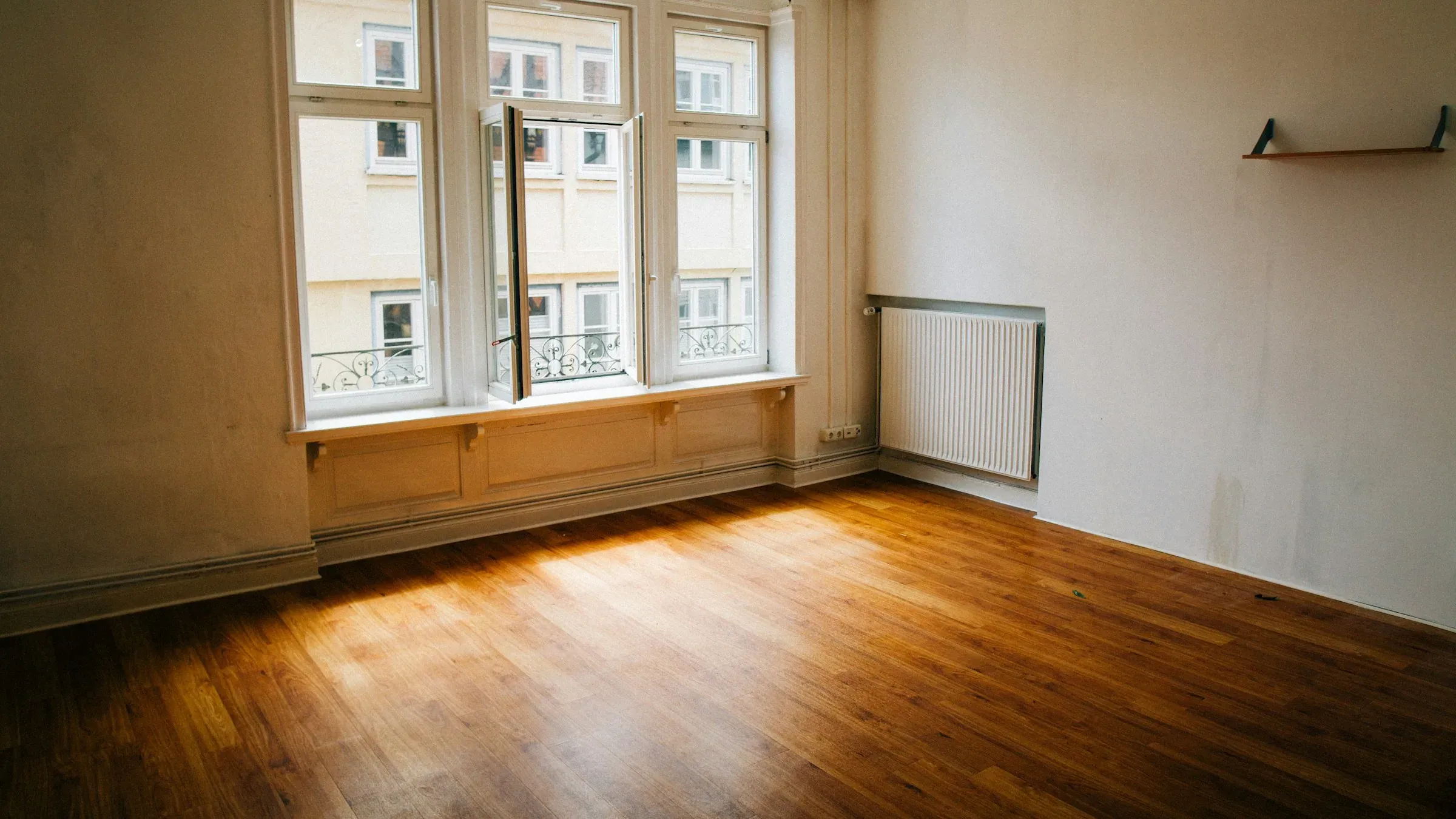
A handover has a time on it. Everything else about a move-out is flexible; that is not, and everything else has to fit before it.
The useful way to think about it is backwards. Not when can someone come — but what time does the property have to be empty, and what has to happen before that.
What "empty" usually means
There is no single standard. What counts as an acceptable handover is set by your tenancy contract and by the building, so the wording you signed is the thing to read first, not a general rule.
That said, the practical question is usually the same: everything you brought in goes, and everything that was there when you arrived stays. The awkward cases sit in between — the shelving you put up, the curtains you fitted, the storage unit in the maid's room. If it was added after you moved in and is not being left deliberately, it is yours to remove.
Two things are worth separating early. A clearance empties the property. It is not a cleaning service — the rooms are swept before the crew leaves, but deep cleaning is a separate job and not part of this one. If your contract asks for professional cleaning, book that as well, and book it after the clearance.
What gets left behind
The furniture is the part that gets planned for. What runs over tends to be everything else:
- the contents of storage rooms, balconies and the space above the wardrobes
- kitchen appliances that came with you rather than with the flat
- anything already broken and mentally written off — a chair, a lamp, a suitcase
- the last two or three bags, which look like nothing until they are the only thing between you and the inspection
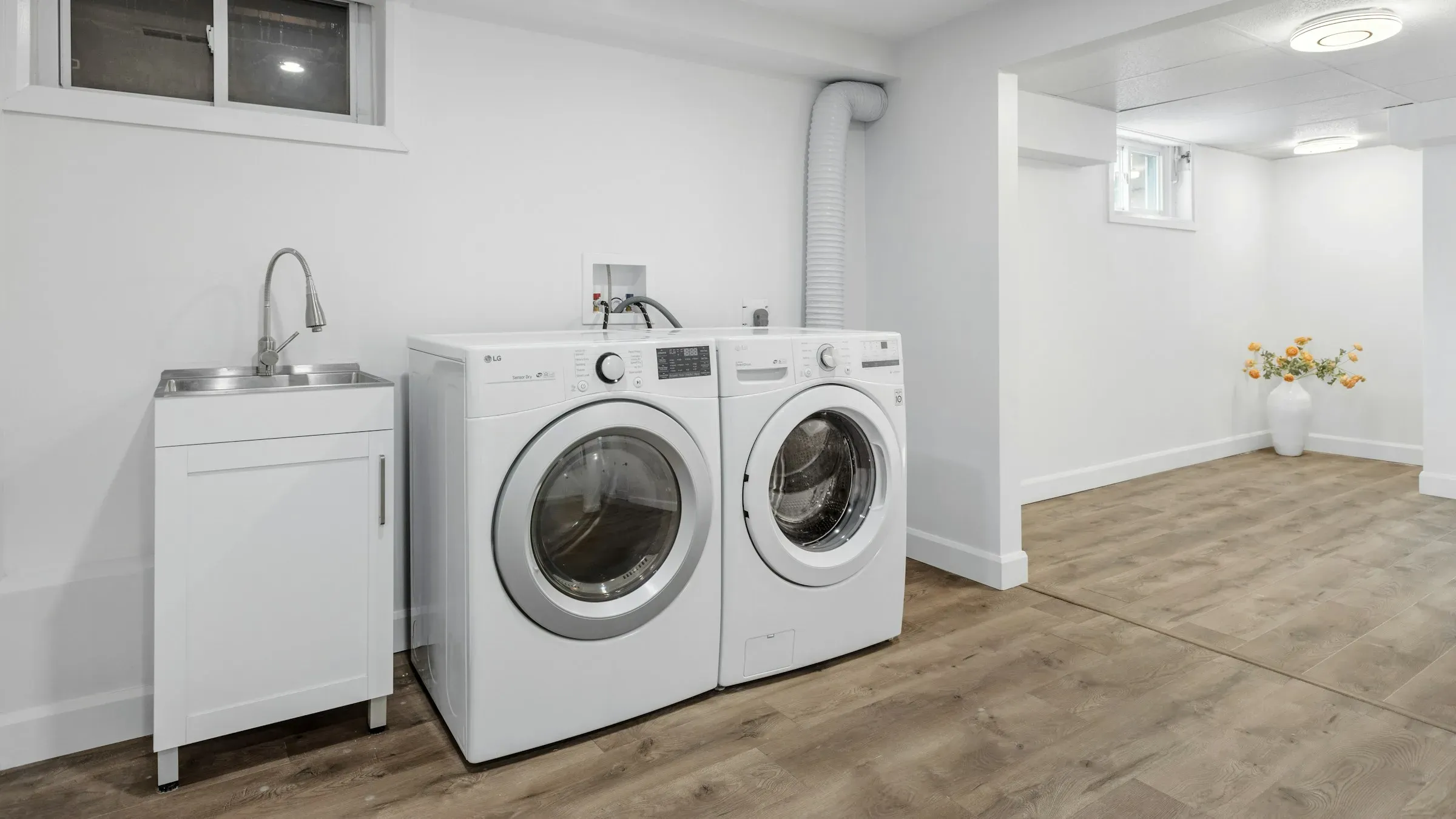
Appliances are worth checking early. A washing machine or fridge still plumbed in on handover morning is an obstacle, not an afterthought — those go out with the load and are routed through appliance disposal rather than needing a separate arrangement.
Working back from the inspection
Start from the time the property must be clear and move backwards through everything that has to fit before it.
You need the clearance itself, the carry out of the building, and the sweep. Before that, if the building requires a service-lift booking or move-out permission, that has to be arranged — those are asked for upfront so the crew is not turned away at the gate, and any NOC is issued to you by the building rather than by us. Before that again, you need to have decided what is staying.
That last step is worth doing properly. A crew lead walks the property with you and confirms the inventory before the first item moves, so anything you want kept stays — but that walk is much faster if you have already separated or marked it.
If you are still living in the property, it does not have to happen in one go. One room or the storage can be cleared first with the rest following later, which spreads the disruption and shrinks the final day. If the place is already empty, a single visit takes everything.
And if the date has already moved closer than you would like, say so when you get in touch — same-day and next-morning slots exist precisely for this, though they depend on a crew being free.
What a clearance covers, and what it doesn't
Covered: furniture, appliances, the contents of storage, the last bags, the carry, protection of floors, lifts and doorframes on the way out, and a sweep of the rooms.
Not covered: deep cleaning, repairs or making good, and anything you have not told us about — the inventory walk is the moment to raise it.
This is how an apartment or house clearance is planned. A villa with garden, storage, maid room and majlis is a bigger job that often runs over more than one day, and it is handled as a villa clearance instead.
To get a date and a price, send photos and the deadline — the time the space must be clear, not the time you would like the crew to arrive.